Crystal Clusters vs. Single Points: Which Specimen Should You Collect?
October 31, 2026 - Crystals
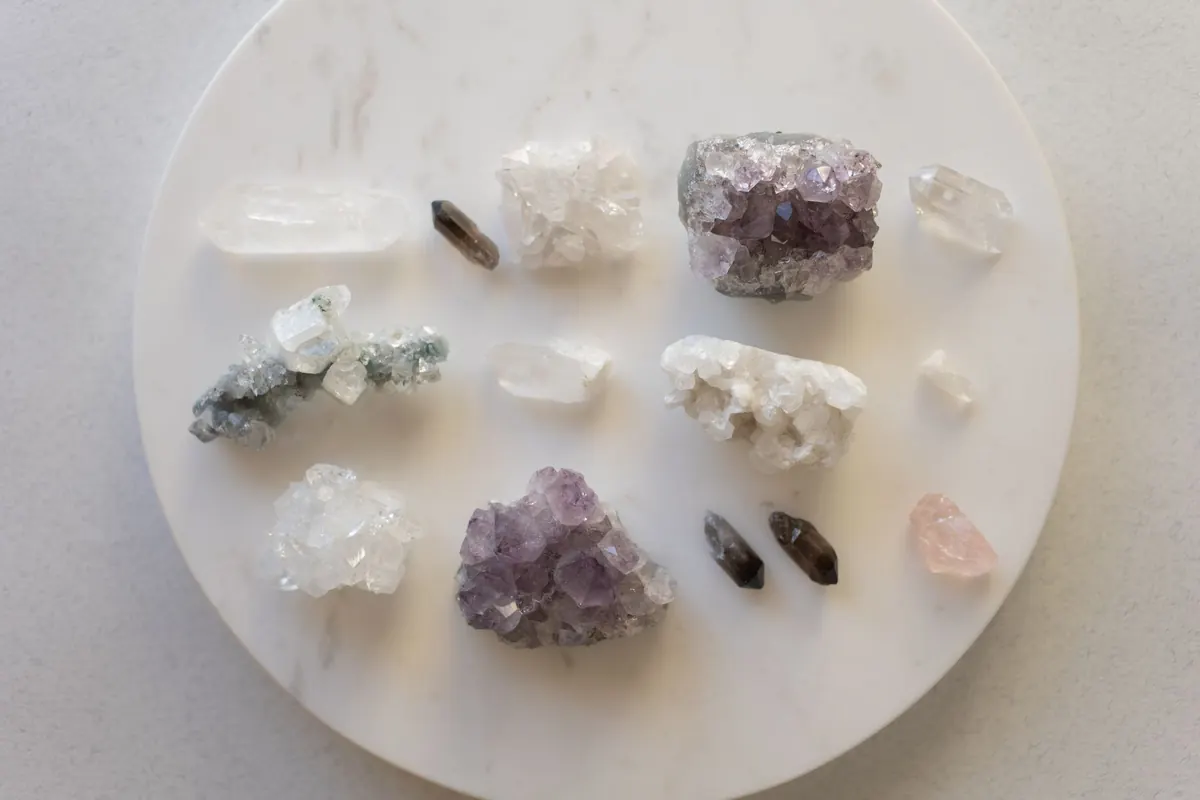
Three things decide whether a new collection becomes something worth keeping: what you choose, what you know about it, and how you store it. Budget comes fourth, and it matters less than most beginners assume. Some of the best collections I have seen were built for the price of a couple of coffees a month by people who bought small, bought carefully, and wrote everything down.
The classic beginner's mistake is buying whatever is bright and cheap at a first show, then discovering two years later that you own sixty unrelated rocks in a shoebox. A focus fixes that, and it makes the hunting far more interesting.
You do not need a grand theme. Any of these will carry a collection for years:
Treat the focus as a filter, not a cage. If a superb piece outside your theme appears at a price you cannot refuse, buy it and adjust the theme later.
Ignore the polished shop displays for a moment. The material that builds a beginner's collection comes from a handful of reliable sources.
Online buying works too, with a caveat: poor photographs hide damage and mislead on colour. It is often where the bargains are, and it is also where beginners get stung. Ask for extra photos in daylight before you commit.
Learn to read a piece in thirty seconds. Most of what separates a good buy from a waste of money is visible without any equipment.
A flawless thumbnail is worth more to your eye, and to any future buyer, than a hand-sized specimen with a chipped termination and a bruised edge. Turn the piece over. Check the tips of the crystals, the corners of the faces, and the point where the crystal meets the matrix. Repairs and glued breaks are common; ask directly, and be suspicious of a suspiciously straight crack across a crystal.
Quartz, calcite, fluorite, gypsum, barite, hematite, pyrite and the common zeolites are abundant, beautiful and inexpensive. There is no need to chase rare species early on. Learn what a good specimen of a common mineral looks like, and you will spot value everywhere.
Ask whether colour is natural. Some material is heated, irradiated or dyed, and disclosure is inconsistent across the trade. A dealer who answers clearly is worth returning to.
Decide on a monthly amount you would spend on a modest dinner out and treat it as the ceiling, not a target to spend every month. Some months you buy nothing; that is the system working.
Buy fewer, better things. One carefully chosen miniature every few months will build a stronger collection than a steady trickle of forgettable pieces, and it keeps the shelf from filling with clutter you no longer want. Save deliberately for one good specimen a year. When you have a budget, you can wait for the right piece instead of buying the available one.
If a specimen is expensive enough that the purchase would affect your finances, get a second opinion from someone with no stake in the sale — a club member, a museum volunteer, a dealer who is not selling it. Hobby money is still money.
An unlabelled specimen is a pretty rock. A labelled one is a document. In ten years, the label is often worth more than the mineral, so start the habit with your first purchase.
Minerals are more fragile than they look, and some are chemically unstable. A few sensible rules will save you a lot of regret.
Light. Keep the display out of direct sun. Fluorite, amethyst, realgar and several others fade or degrade in bright light.
Humidity. Damp is the enemy of pyrite and marcasite, which can crumble into powder, and of soluble species such as halite. A dry, stable room beats a shed or garage with wild temperature swings.
Materials. Cotton-filled trays and polyethylene foam are safe. Avoid PVC plastic, cling film, acidic tissue and newspaper, which can transfer ink or release unwanted chemistry onto the surface.
Handling. Some minerals contain elements you do not want on your skin or in your body — lead, arsenic, mercury among them — and fibrous material should never be sawed or ground without proper dust protection. Wash your hands after handling, keep small specimens away from children, and do not eat or drink at the labelling bench. When in doubt about a specimen's composition, treat it as if it needs care.
Security. Anchor tall cabinets to the wall if children or pets share the house, and keep the best pieces above floor level.
Aim to end your first year with thirty labelled specimens you can talk about, rather than two hundred you cannot identify. Join a local club, go on one field trip, buy one piece you saved for, and keep the notebook current. That foundation is worth more than any single purchase, and it costs remarkably little.
Photo: KATRIN BOLOVTSOVA / Pexels
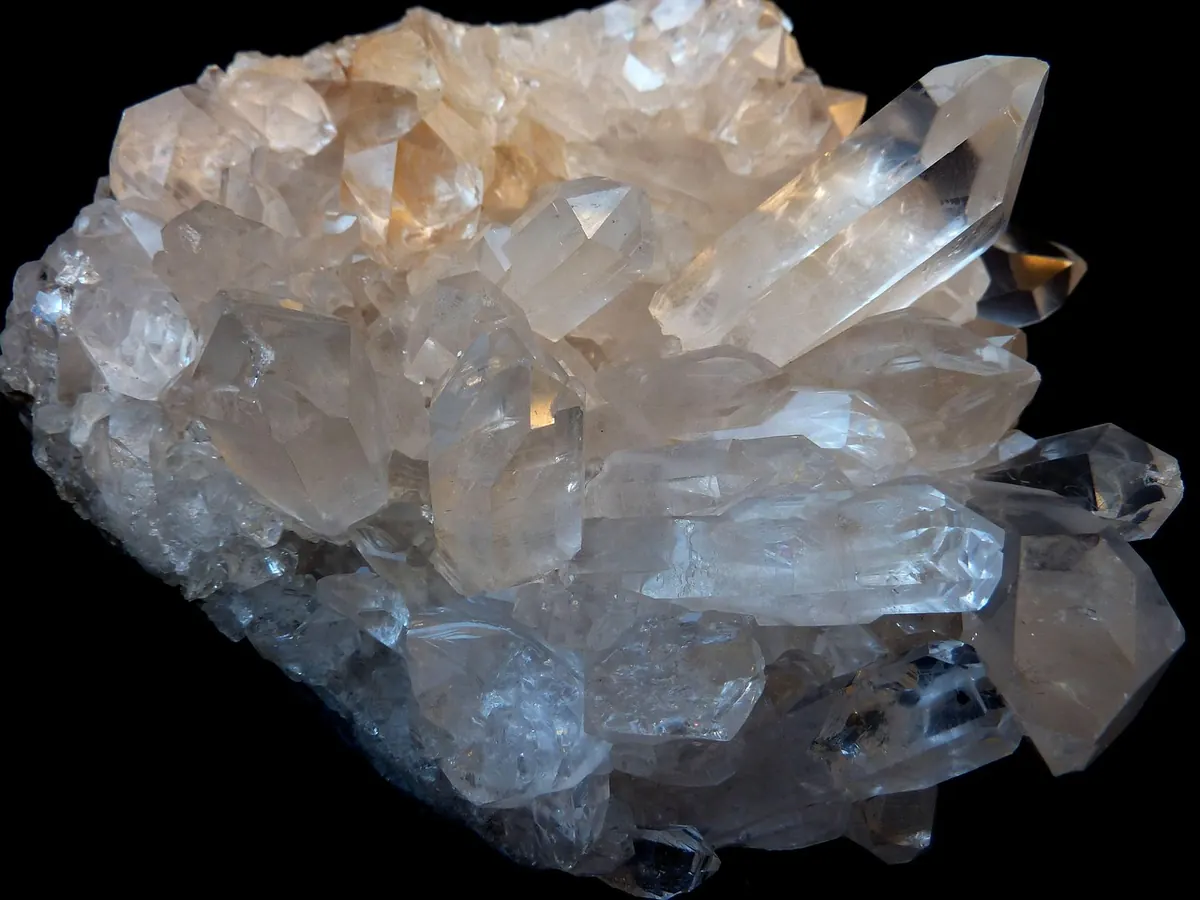
Clusters bring drama, context and a story about how crystals grow; single points bring clarity, easy display and a...
Mohs hardness testing can identify minerals and narrow unknowns, but only if scratches are made on inconspicuous...
Copyright © 2026 Quarzo Diario. All Right Reserved.